The Confirmation Process: A Personal Perspective:
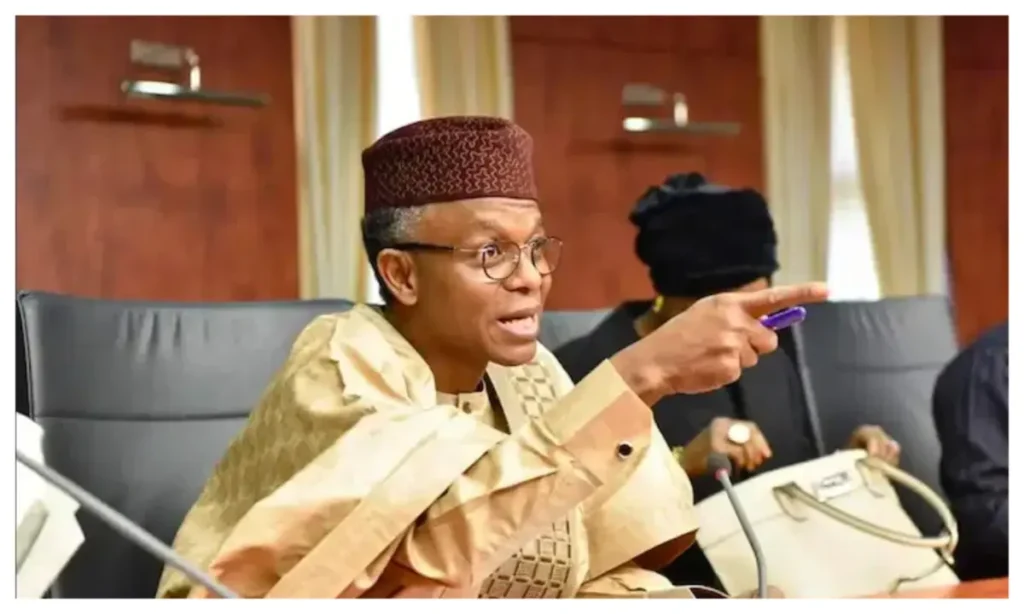
On 24 February 2025, I listened attentively to the interview of the former Governor of Kaduna State, Malam Nasir El-Rufai, on Arise Television, and I would like to analyze one of the things he said concerning the refusal of the National Assembly to confirm his name as a minister after he was nominated by President Bola Ahmed Tinubu. He squarely blamed President Tinubu for his non-confirmation. I will respectfully disagree with his perspective.
When the President nominates someone for an appointment, the Constitution places the responsibility for confirmation solely on the Senate. I have personal experience with this process, having undergone it in 2016 when I was nominated by President Muhammadu Buhari to be a Non-Executive Commissioner on the Nigerian Communications Commission’s Governing Board.
After vetting by the DSS and submitting my CV and credentials, I appeared before the Senate Committee on Communications, which gave a nod for my confirmation. On November 17, 2016, the Senate confirmed my appointment in a plenary session, which was publicly announced.
However, on November 20, 2016, the then-Senate President, Dr. Bukola Saraki, wrote to President Buhari stating that I was not confirmed, contrary to the Senate’s records. Despite this discrepancy, the President’s hands were tied.
This experience highlights that the confirmation process is the Senate’s constitutional responsibility. While the President can resend a nominee’s name after rejection, the Senate’s decision is final. This process reinforces the separation of powers between the three branches of government enshrined in the Constitution.
Chief Okoi Obono-Obla